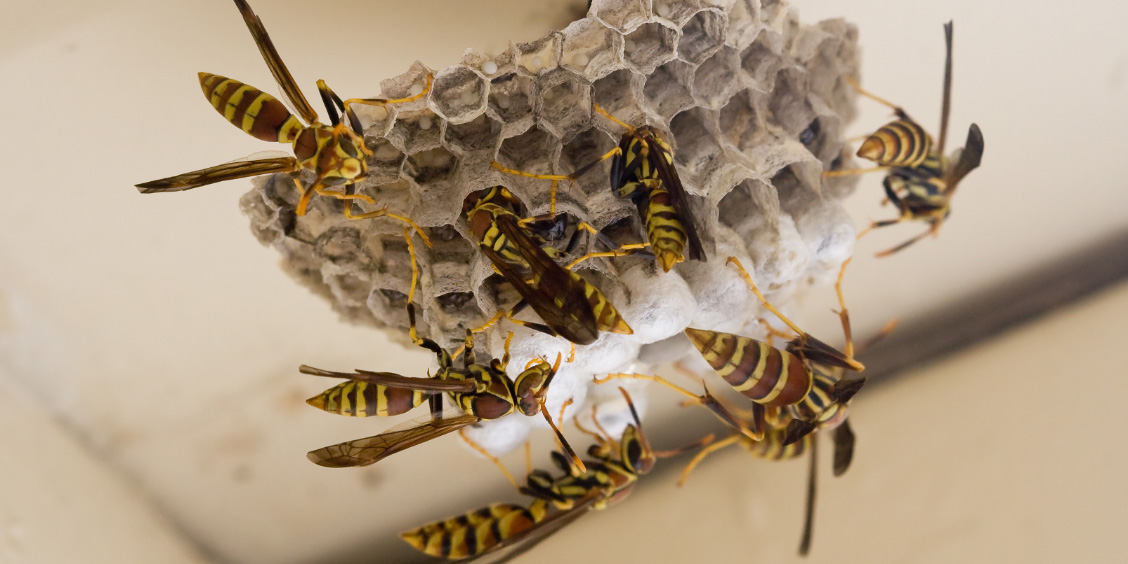
Spring is when European wasp nests begin. Each new season starts with a single queen building a small nest, and over the following months that nest can grow to hold thousands of wasps by late summer.
The good news is that nests are much smaller, and much easier to deal with, early in the season. Knowing where to look around your property in October and November can prevent a far bigger problem later on.
Why Early Season Matters
European wasps become more defensive as their nests grow. A nest that is barely noticeable in spring can become a real safety risk by January, particularly around children, pets and outdoor living areas.
Finding nests early means:
-
Fewer wasps to deal with
-
Lower risk of stings for the family, staff or customers
-
Less chance of wasps getting into wall cavities or roof spaces
-
Quicker, simpler treatment
Where to Check Around Your Property
European wasps prefer sheltered, hidden locations. Check these areas regularly through spring:
In the Ground
Many European wasp nests are underground. Look for wasps flying in and out of a small hole in lawns, garden beds or along fence lines.
Wall Cavities
Gaps in brickwork, weep holes and damaged cladding can give wasps access to wall cavities.
Roof Spaces and Eaves
Roof voids, gaps under eaves and around guttering are common nesting spots.
Garden Areas
Dense hedges, retaining walls, compost areas and garden sheds all provide shelter.
Outdoor Structures
Check under decks, inside letterboxes, in stored outdoor furniture and around play equipment.
Signs of an Active Nest
You may have a nest nearby if you notice:
-
Wasps repeatedly flying to and from the same spot
-
More wasps than usual around outdoor eating areas
-
A papery grey material visible in a gap or hole
-
Wasps entering a wall, roof or the ground
If you see steady wasp traffic in one direction, there is usually a nest close by.
What Not to Do
It can be tempting to deal with a nest yourself, but disturbing a European wasp nest often triggers a defensive response, and multiple stings are possible. Avoid:
-
Blocking the nest entrance
-
Spraying it with household products
-
Pouring water or petrol into ground nests
-
Trying to remove the nest by hand
Frequently Asked Questions
Are European wasps dangerous?
European wasps can sting multiple times and become aggressive near their nest. They can be a serious risk for anyone allergic to stings.
When is the best time to remove a wasp nest?
As early as possible. Nests are smallest in spring, which makes removal quicker and safer than in late summer.
Bee and Wasp Removal Across Victoria
Rossy Pest Services provides safe, professional bee and wasp removal for homes and businesses across Geelong, the Surf Coast, the Bellarine Peninsula, Ballarat, Melton, North & West of Melbourne.
Check Early, Act Early
A quick look around your property now can save a much bigger problem in the middle of summer.
If you have spotted wasp activity or think there may be a nest on your property, contact Rossy Pest Services to arrange a professional inspection and safe removal. Request a quote or call (03) 5213 0133.