Blog
From seasonal swarms to commercial compliance, our team shares expert advice and insights gained from over a decade of local experience.
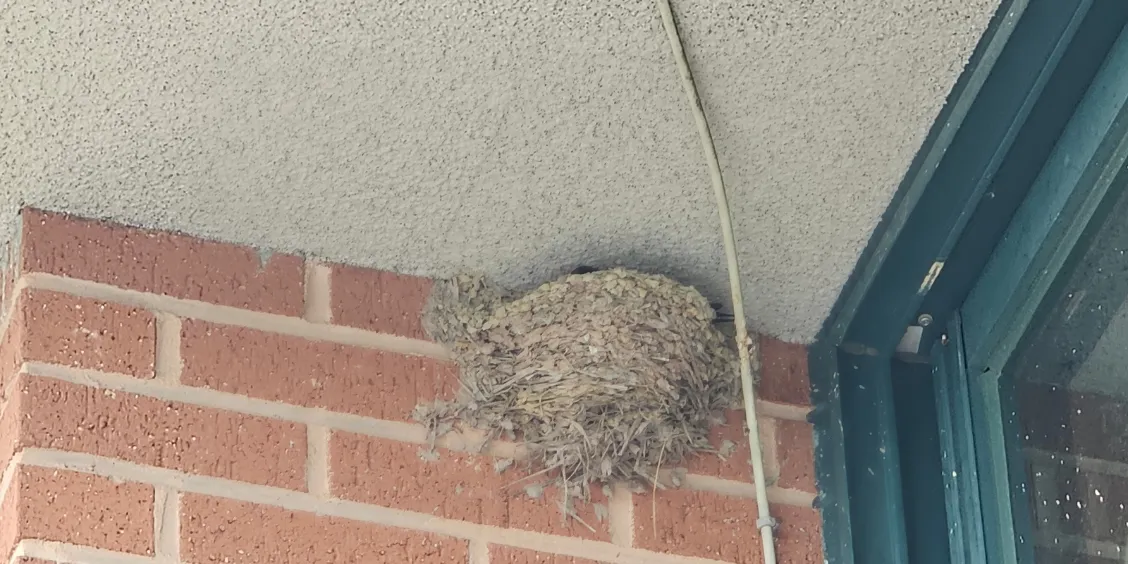
Birds on a commercial building are easy to ignore until the droppings build up, a gutter blocks or a customer complains. Spring and early summer are when many of these problems come to a head, because it is when birds are most actively nesting and raising young.
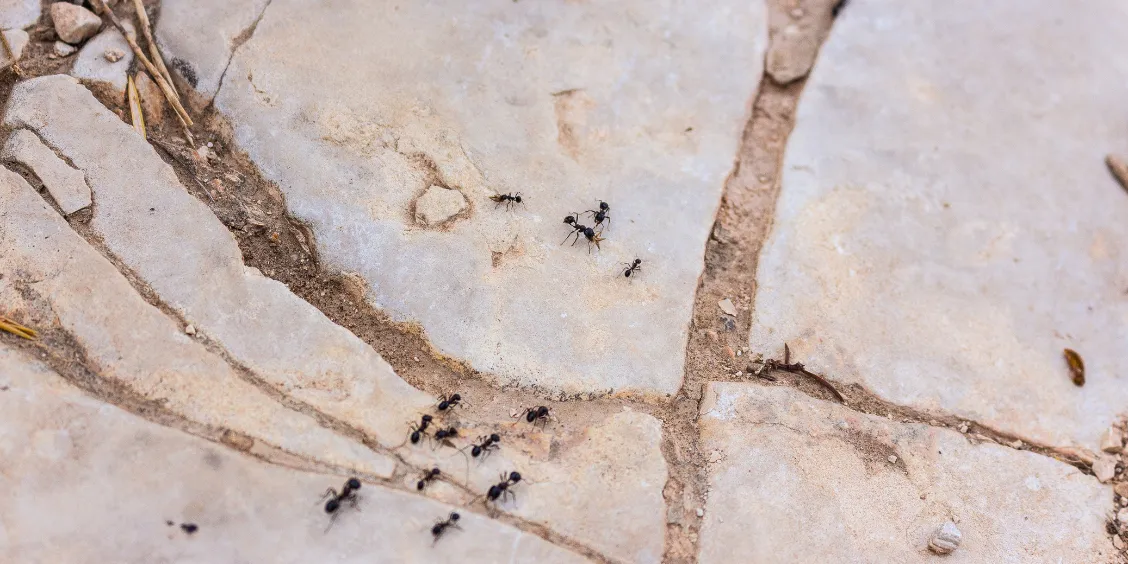
You wipe the bench, and an hour later the line of ants is back. Ant trails indoors are one of the most common pest problems in late spring, in homes and businesses alike.
Quick answer: Ants trail indoors in late spring because their colonies are growing and workers are searching for food and water. To stop a trail, find what the ants are after and where they are getting in, remove the food source, avoid spraying the trail, and treat the colony rather than only the ants you can see.
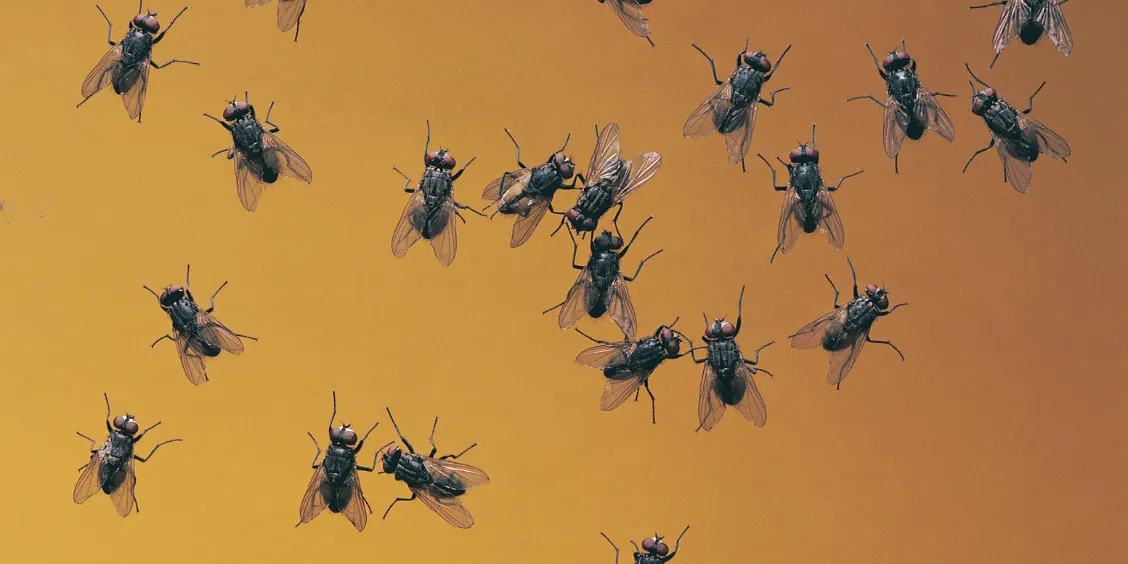
Fly numbers climb fast once summer arrives. For any business that handles food, waste or a steady stream of customers, they quickly become a hygiene and reputation problem.
The most useful way to get ahead of them is to walk your site the way a fly would, from the bins to the front counter. This guide follows that route and lists what to check at each stop.
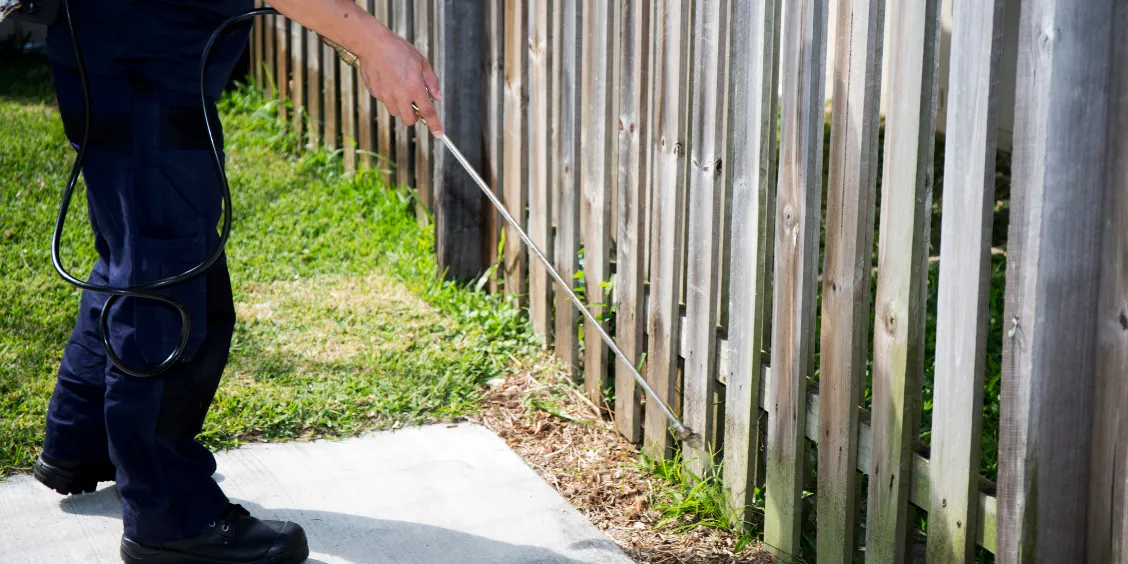
Most homeowners only pick up the phone once they can see a pest problem. By that point the cost has usually grown, because the pests have had weeks or months to breed, nest and do damage out of sight.
Quick answer: Preventative pest control saves money because it deals with pests while their numbers are low, before they damage wiring, insulation, timber or stored belongings. A regular treatment costs far less than repairs, replacing contaminated items and the repeat treatments an established infestation needs.
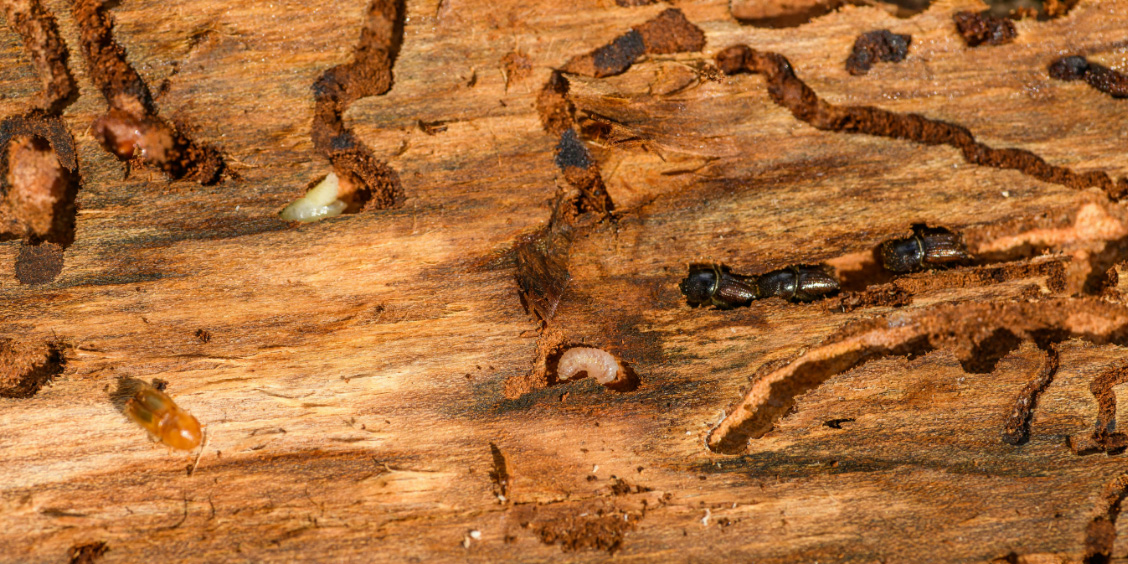
On warm, humid evenings in spring and early summer, you may notice swarms of small winged insects around lights, windows and doors. In many cases, these are flying termites.
A termite swarm can be alarming, but it is also a useful warning. It tells you that a mature termite colony is active somewhere nearby, and that it may be worth having your property checked.
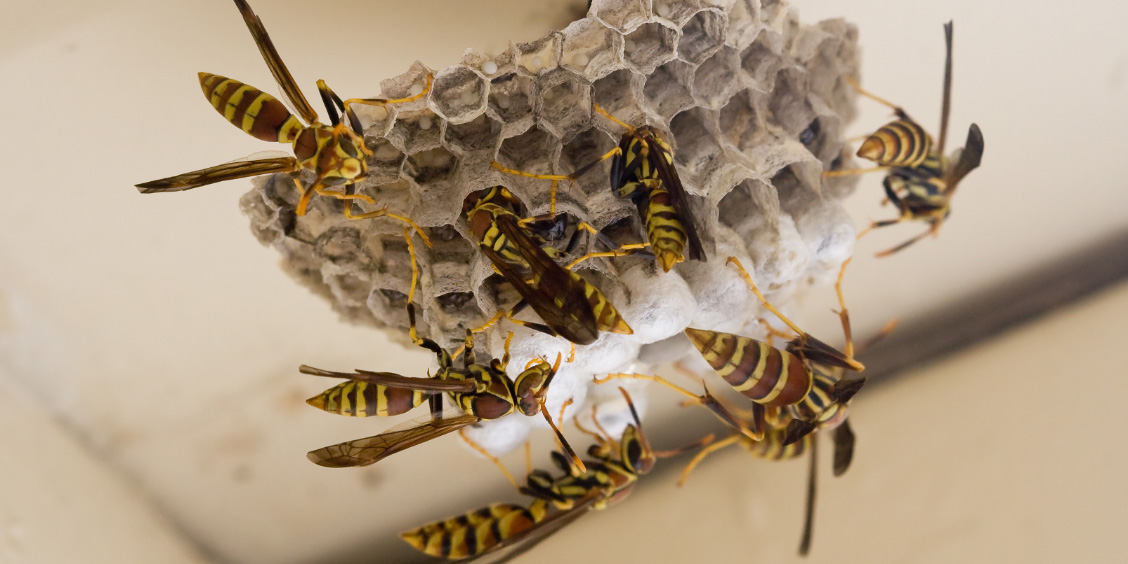
Spring is when European wasp nests begin. Each new season starts with a single queen building a small nest, and over the following months that nest can grow to hold thousands of wasps by late summer.
The good news is that nests are much smaller, and much easier to deal with, early in the season. Knowing where to look around your property in October and November can prevent a far bigger problem later on.