Blog
From seasonal swarms to commercial compliance, our team shares expert advice and insights gained from over a decade of local experience.
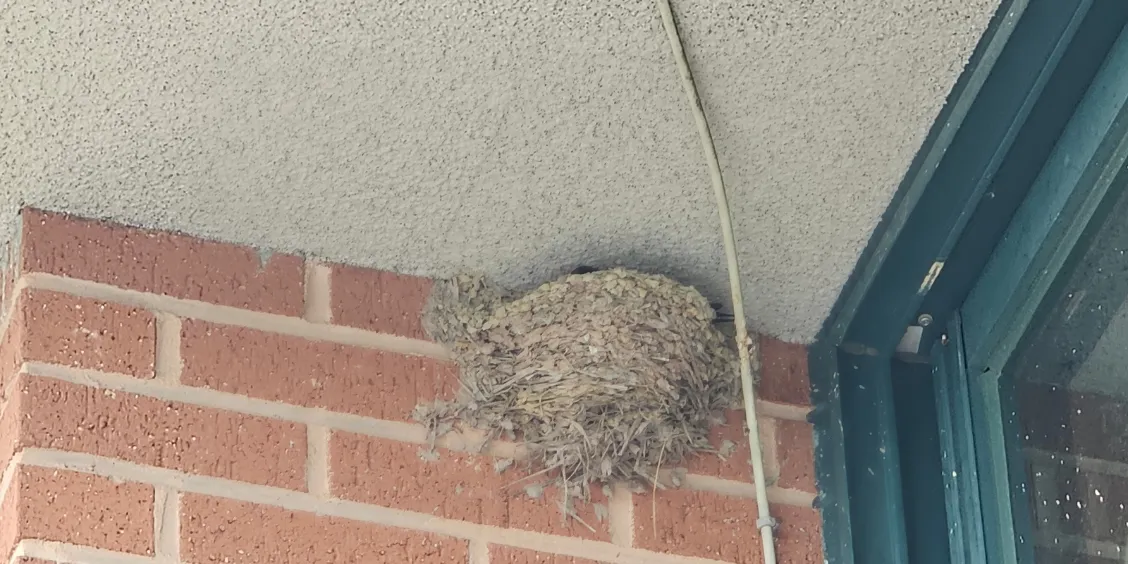
Birds on a commercial building are easy to ignore until the droppings build up, a gutter blocks or a customer complains. Spring and early summer are when many of these problems come to a head, because it is when birds are most actively nesting and raising young.
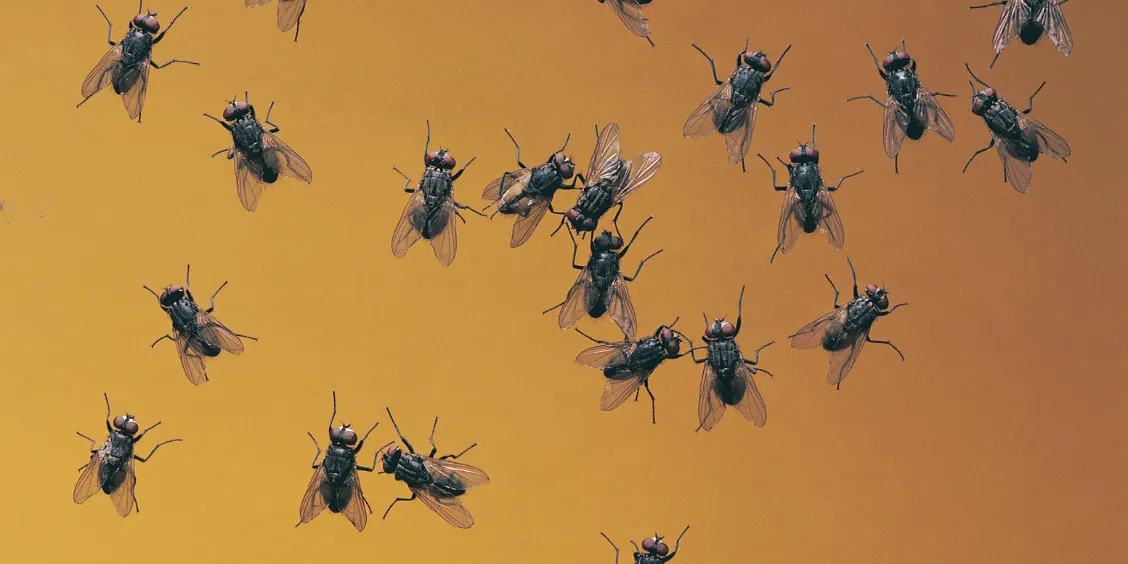
Fly numbers climb fast once summer arrives. For any business that handles food, waste or a steady stream of customers, they quickly become a hygiene and reputation problem.
The most useful way to get ahead of them is to walk your site the way a fly would, from the bins to the front counter. This guide follows that route and lists what to check at each stop.

On warm, humid evenings in spring and early summer, you may notice swarms of small winged insects around lights, windows and doors. In many cases, these are flying termites.
A termite swarm can be alarming, but it is also a useful warning. It tells you that a mature termite colony is active somewhere nearby, and that it may be worth having your property checked.

As the weather warms up, outdoor dining areas across Victoria fill up again. Beer gardens, courtyards, footpath seating and rooftop bars become some of the busiest spaces in a venue, and they bring their own set of pest risks.
Outdoor areas are often managed differently to indoor spaces when it comes to pest control. Because food and drink are served in the open, pests have easy access, and any activity happens in full view of customers.

Winter creates a unique set of pest risks for strata properties. Shared residential buildings often include multiple access points, common waste areas, underground car parks and service zones that can attract pests as the weather cools.
For body corporate managers, owners corporations and property managers, winter is a key time to stay ahead of pest issues before they spread between common areas and individual residences.

Warehouses are one of the highest-risk commercial environments for winter pest activity. As outdoor temperatures fall, rodents and insects look for warm, sheltered spaces with easy access to food, packaging, stock and water. Large storage environments offer exactly that, making warehouses especially vulnerable during the colder months.
We always recommend commercial pest services and ongoing maintenance programs, and warehouses are one of the clearest examples of where preventative winter pest control matters most.