How to Keep Flies and Flying Insects Away From Commercial Properties This Summer
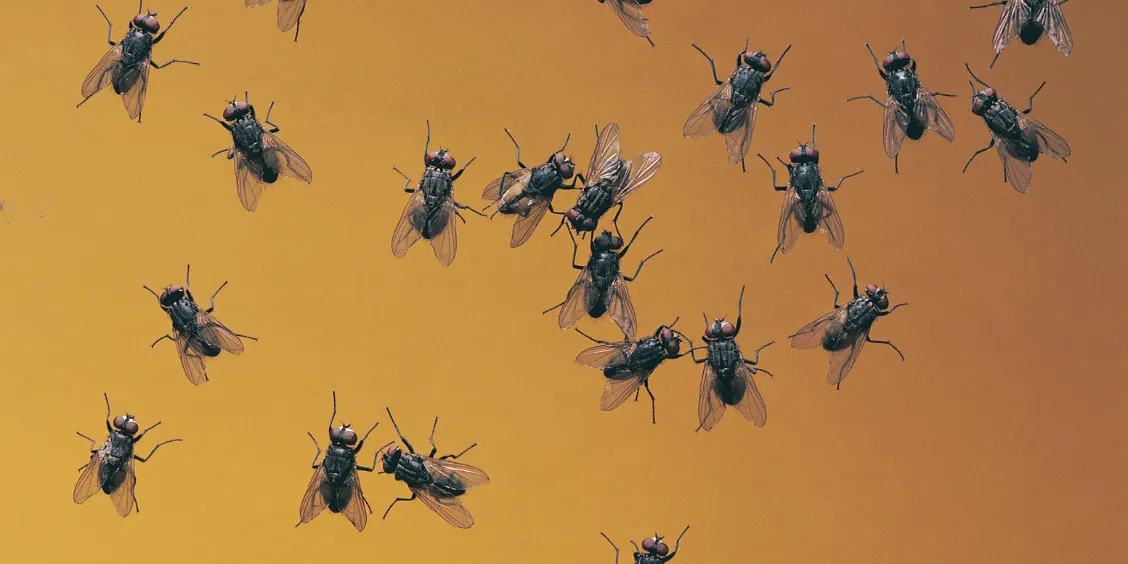
Fly numbers climb fast once summer arrives. For any business that handles food, waste or a steady stream of customers, they quickly become a hygiene and reputation problem.
The most useful way to get ahead of them is to walk your site the way a fly would, from the bins to the front counter. This guide follows that route and lists what to check at each stop.
Why Fly Season Starts Now
Flies breed fastest in warm weather. Through late spring and summer their life cycle shortens, so a few flies around the bins in November can become a constant problem by January. Flies also carry bacteria from waste and drains onto food and surfaces, which makes them a food safety and compliance issue as well as a nuisance.
Stop 1: Bins and Waste Areas
This is where most commercial fly problems begin. Check that:
-
Bin lids close properly and stay closed
-
Bins are washed out regularly, not just emptied
-
Skips and waste rooms are clear of loose rubbish and spills
-
Waste is stored as far from entrances as practical
Stop 2: Loading Docks and Back Doors
Open roller doors and busy delivery entries give flies a direct route inside. Look for:
-
Doors left open between deliveries
-
Damaged or missing strip curtains
-
Gaps under doors and around frames
Stop 3: Drains and Grease Traps
Organic build-up in drains and grease traps attracts drain flies and other species, and they often breed there unnoticed. Check:
-
When drains and grease traps were last cleaned
-
Floor drains in kitchens, wash areas and storerooms
-
Any area where water pools after cleaning
Stop 4: Kitchens and Food Preparation Areas
Inside, the focus shifts to keeping flies away from food:
-
Fly screens on windows and vents are intact
-
Food is covered and stored off the floor
-
Spills and food waste are cleaned up promptly
Stop 5: Customer and Outdoor Areas
Spilled food and drinks draw flies straight to your customers. Our post on outdoor dining areas covers beer gardens, courtyards and footpath seating in more detail.
A Weekly Fly Checklist
-
Wash out bins and check the lids
-
Clean floor drains and check grease trap service dates
-
Check screens, strip curtains and door seals
-
Clear spills and food waste from outdoor areas
-
Note any increase in fly activity and where it seems to be coming from
Where Professional Fly Control Fits
Good housekeeping reduces flies, but it can't always remove breeding sites or bring high numbers down. A professional fly and flying insect control program may include an inspection to find breeding sources, targeted treatment around waste and breeding areas, and monitoring through the warmer months.
Frequently Asked Questions
What attracts flies to commercial properties?
Food, waste, drains, grease traps and moisture, so bin areas and kitchens are the most common problem spots.
Can good cleaning alone stop flies?
It makes a big difference, but flies can still breed in drains, grease traps and waste areas that are hard to keep fully clean. Professional treatment targets those breeding sites.
When should fly control start?
Before summer peaks. Treating breeding sites in late spring is easier than chasing high numbers in January.
Fly Control for Victorian Businesses
Rossy Pest Services provides commercial pest control for restaurants, cafés, warehouses, offices, schools and other businesses across Geelong, the Surf Coast, the Bellarine Peninsula, Ballarat, Melton and Melbourne. If you run a food business, our guide to what health inspectors look for is worth a read before summer.
If flies are already becoming a problem around your business, contact Rossy Pest Services to arrange an inspection and a fly control plan for your site. Request a quote or call (03) 5213 0133.