Most homeowners only pick up the phone once they can see a pest problem. By that point the cost has usually grown, because the pests have had weeks or months to breed, nest and do damage out of sight.
Quick answer: Preventative pest control saves money because it deals with pests while their numbers are low, before they damage wiring, insulation, timber or stored belongings. A regular treatment costs far less than repairs, replacing contaminated items and the repeat treatments an established infestation needs.
Preventative vs Reactive Pest Control
With Preventative Pest Control
-
Treatment happens on a regular schedule, before pests settle in
-
Pest numbers stay low
-
A routine service is usually all that is needed
-
Any damage is picked up early
-
Clean-up is minimal
Waiting Until There Is a Problem
-
Pests are usually found weeks after they arrived
-
By then they are established and breeding
-
Several follow-up visits are often needed
-
Damage can include wiring, insulation, timber and stored items
-
There are droppings, nesting material and contaminated food to clean up
Where the Money Goes When You Wait
Repairs
Rodents chew through wiring, insulation and stored belongings, and rodent control is far simpler before a population settles into the roof or walls. Termites can damage timber for a long time before there are any visible signs, and termite damage is generally not covered by standard home insurance.
Replacing Contaminated Items
Cockroaches and rodents contaminate food, pantry stock and kitchen surfaces. Anything they have been into usually has to be thrown out.
Repeat Treatments
A small problem can often be handled in a single visit. A large, established infestation usually needs follow-up treatments to bring it under control.
Time and Disruption
Cleaning up droppings, clearing out cupboards and working around treatments all take time, especially once a problem has spread through the house.
What a Preventative Plan Includes
A preventative approach focuses on stopping pests before they become established. It usually includes:
-
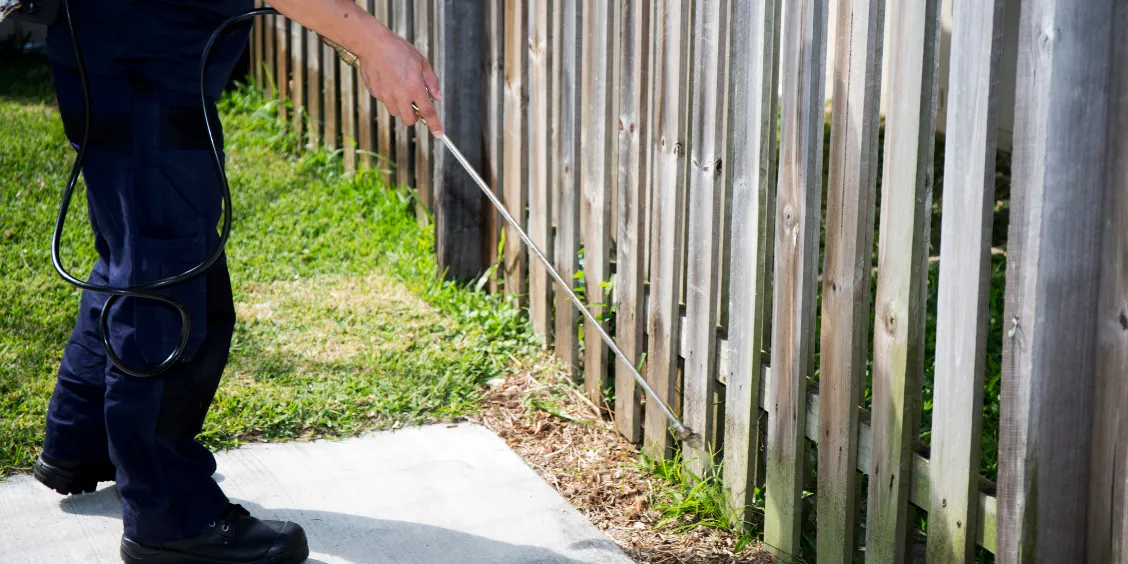
Treatment around the perimeter of the home and its entry points
-
Checks of roof voids, sub-floors and other areas you rarely see
-
Identifying conditions that attract pests, such as moisture, gaps and clutter
-
Practical advice on reducing food and shelter around the home
Why Late Spring Is the Right Time
Pest activity climbs through November as the weather warms. A treatment now keeps numbers down through summer, when many pests breed fastest. If you missed pre-summer pest control in October, it is not too late.
Pest control is not a one time solution, it requires ongoing maintenance to achieve long term results. For help with scheduling, see how often you should book residential pest control.
Frequently Asked Questions
Is preventative pest control worth it if I haven't seen any pests?
Yes. Many pests, including rodents and termites, stay out of sight while their numbers build. Prevention is designed to deal with them before the signs appear.
How often should a home have pest control?
Many homes benefit from a treatment at least once a year, with more frequent service where pests have been a recurring problem.
Is preventative pest control safe for families and pets?
Treatments are tailored to each home, and your technician will explain any precautions for children and pets before starting.
Look After Your Home Before Summer
Rossy Pest Services is locally owned and has provided residential pest control for more than 10 years, using eco-friendly treatments tailored to each home across Geelong, the Surf Coast, the Bellarine Peninsula, Ballarat, Melton and Melbourne.
If you would like to set up a preventative plan for your home, contact Rossy Pest Services to arrange an inspection. Request a free quote or call (03) 5213 0133.